Time to market delays
Even more conservative estimates suggest that simply applying e.g. DO-178C processes increases initial software engineering timelines by 25% to 40% compared to high-quality non-certified software

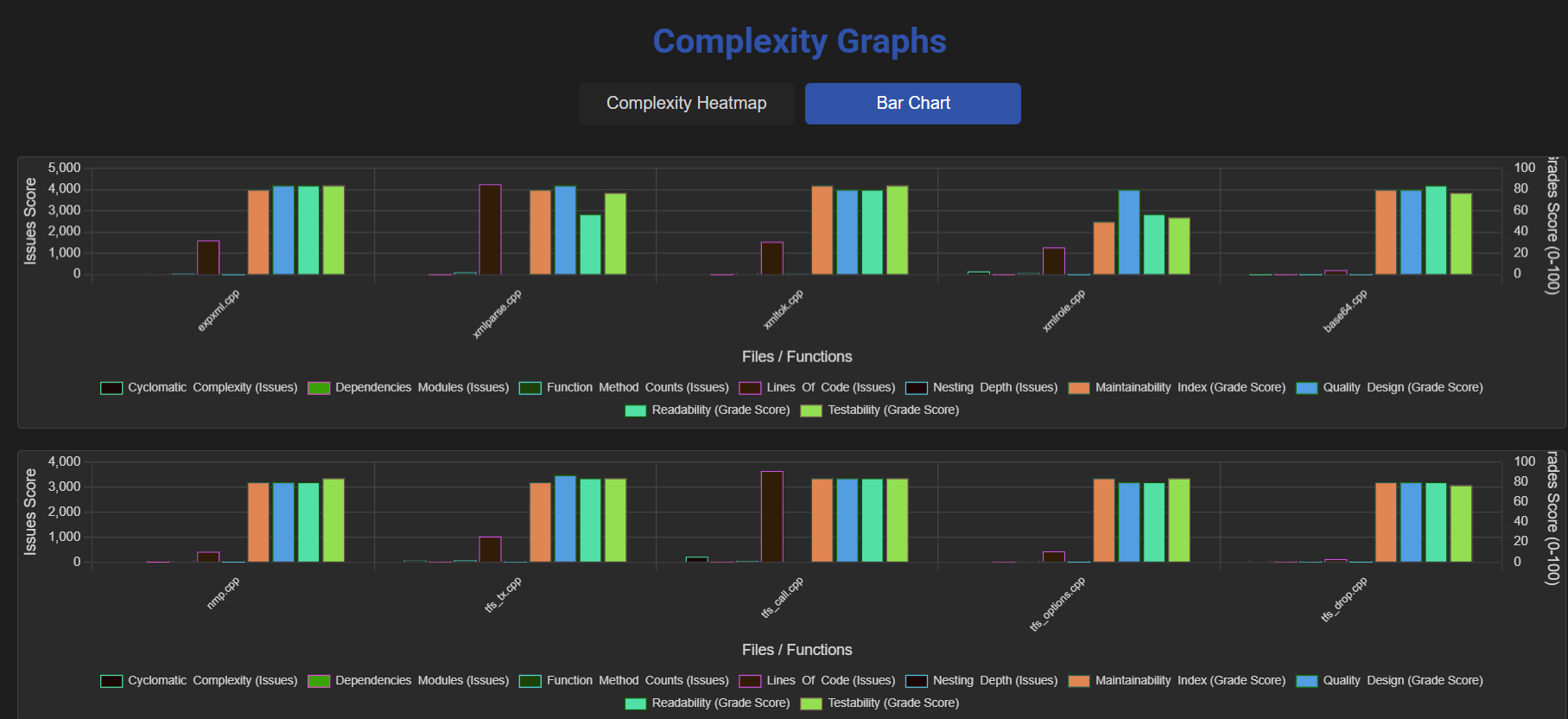
Certification timelines, audit requirements, and manual safety processes delay market entry and increase project risk. TimeZero directly addresses these challenges by automating the functional safety lifecycle, reducing engineering overhead, and ensuring compliance with the most demanding international standards.
The result: faster certification, lower costs, and safer, more reliable products.
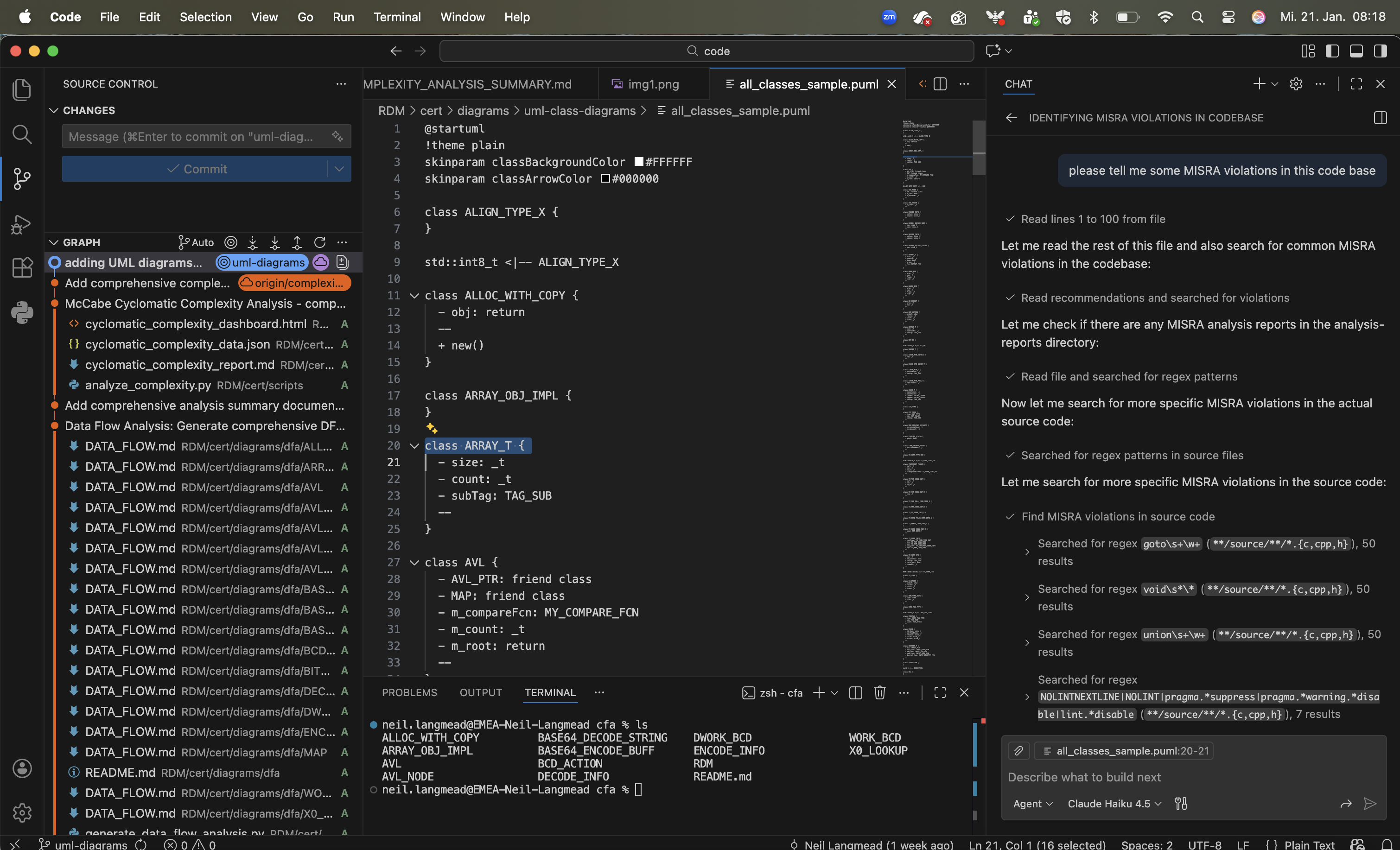
TimeZero is the world's first Functional Safety engineer, using AI to automate the entire FuSa lifecycle: from requirements to test generation, code coverage, compliance checking, documentation for certification.
We offer native integration with developer workflows: VSCode, Git, CI/CD pipelines
We support ISO 26262 ASIL D (automotive), DO-178C Level A (aerospace), IEC 62304 (medical), EN 50128 SIL 4 (railway)

Achieving 100% MCDC coverage in complex C++ systems requires combining Z3-based symbolic execution with LLM-assisted constraint solving, but neither approach alone is sufficient.
By intelligently combining both and integrating with frameworks like Cantata, TimeZero achieves comprehensive coverage even in challenging >100K-line codebases.
As safety-critical software grows in complexity, such hybrid approaches are essential for maintaining quality and compliance standards.